

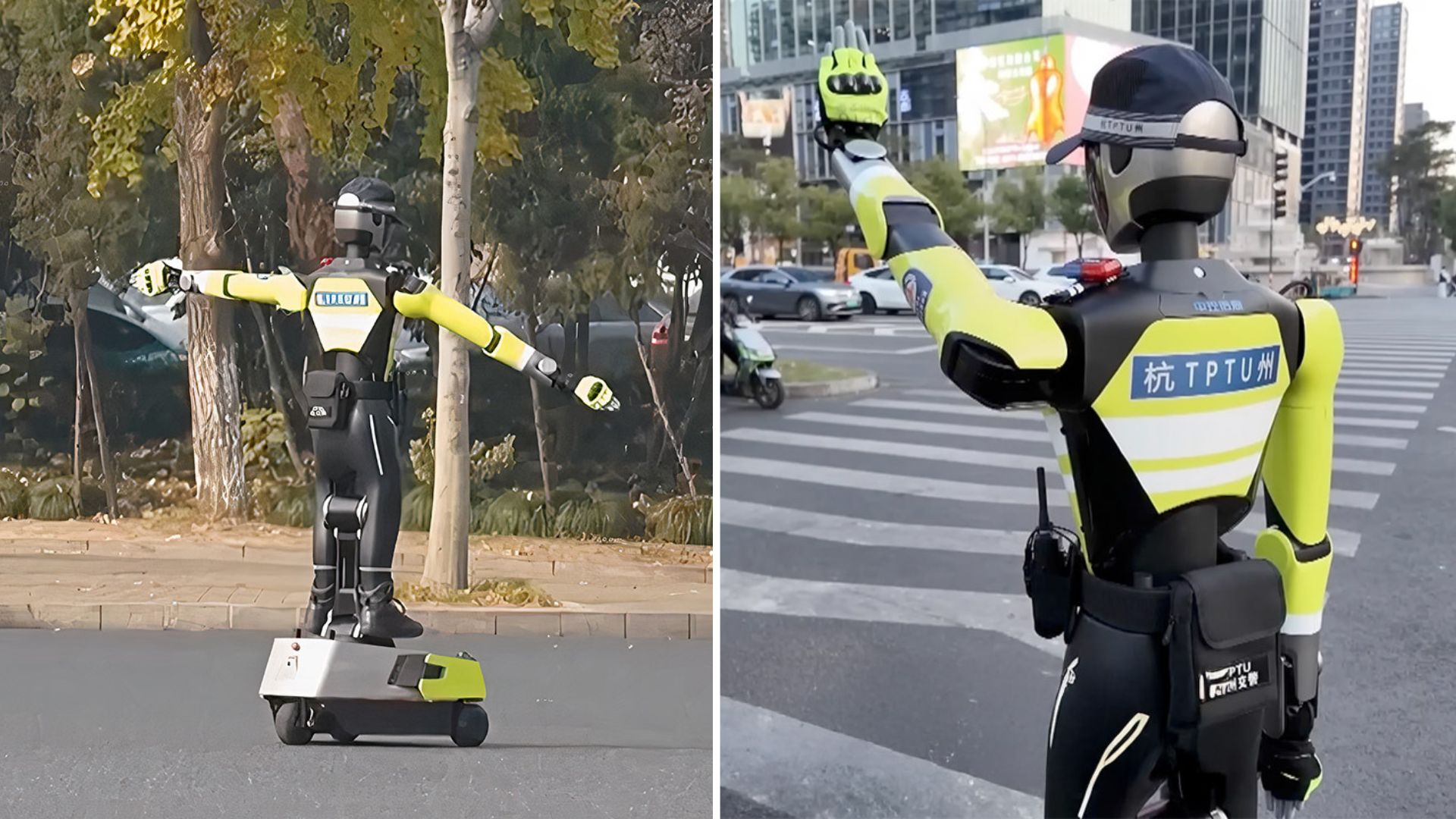
A new AI-powered traffic robot has begun operating on the streets of Hangzhou, China’s tech hub, aiming to enhance traffic management and improve urban mobility. This innovative robot is equipped with advanced artificial intelligence capabilities, allowing it to monitor traffic conditions in real time and provide crucial data to city traffic management systems. The introduction of this technology is part of a broader initiative by the local government to integrate smart technologies into urban infrastructure, thereby making the city more efficient and responsive to the needs of its residents.
The traffic robot features a variety of sensors and cameras that can detect vehicle flow, pedestrian movement, and even potential traffic violations. By leveraging machine learning algorithms, the robot can analyze the gathered data and predict traffic patterns, enabling it to recommend optimal traffic light timings and suggest alternative routes for vehicles, thus reducing congestion. This proactive approach to traffic management is expected to not only alleviate common traffic bottlenecks but also enhance overall road safety for both drivers and pedestrians in Hangzhou.
In addition to its traffic monitoring capabilities, the robot is designed to communicate with other smart devices and systems within the city. For instance, it can relay information about traffic conditions to navigation apps, allowing drivers to make informed decisions while on the road. Moreover, the robot is equipped to interact with local law enforcement, providing them with real-time data on traffic incidents that require immediate attention. This interconnected system exemplifies the potential of smart city initiatives, where various technologies work collaboratively to create a more harmonious urban environment.
The deployment of the AI-powered traffic robot is not without its challenges. Despite the promising innovations, there are concerns regarding data privacy and the extent of surveillance in public spaces. Residents and advocacy groups have raised questions about how the collected data will be used and whether adequate measures are in place to protect personal information. As cities continue to embrace smart technologies, it is crucial for policymakers to address these concerns transparently, ensuring that the benefits of such innovations do not come at the cost of individual privacy rights.
As Hangzhou leads the way in integrating AI into urban traffic management, other cities across China and beyond are likely to observe closely. The success of this initiative could set a precedent for similar projects, potentially transforming traffic management practices globally. However, it will be essential to strike a balance between leveraging technology for efficiency and maintaining public trust through responsible data management and ethical considerations. The future of urban mobility may very well hinge on how effectively cities can navigate these complex dynamics.
