Google 為其地圖應用程式引入一系列基於 Gemini 的生成式人工智能功能,旨在從搜尋、導航到內容生成的全鏈路重塑用戶體驗。新功能將優先透過手機應用向部分市場推出,未來還將擴展至桌面端及更多國家和地區。其中最核心的更新之一是全新對話式「Ask Maps」功能,用戶可像與助手聊天一樣,用自然語言提出複雜、貼近真實場景的問題,而無需再用關鍵詞拼湊搜尋。例如,用戶可詢問「手機快沒電了,附近哪裡可以充電又不用在咖啡店排長隊?
沉浸式導航亦將於近期在美國開始上線,隨後逐步推廣至支援的 iOS、Android 設備,以及 CarPlay、Android Auto 和搭載 Google 車載系統的車型。此次升級延續了 Google 自去年起將 Gemini 深度整合進地圖產品的路線,早前 Gemini 已用於回應沿途地點問題、基於街景畫面優化轉向指引,以及協助總結用戶評價、為上傳照片生成說明文字等任務。
Thinking Machines Lab 由前 OpenAI 首席技術官 Mira Murati 於 2025 年創立,總部位於舊金山,成立當年即完成 20 億美元種子輪融資,估值約 120 億美元,投資方包括 Andreessen Horowitz、Accel、英國 Arm、AMD 等機構及業界人士,被視為最具話題性的前沿 AI 實驗室之一。公司定位為「面向人類協作的通用 AI 系統」研發機構,強調可解釋性、可定制性及跨學科能力,目標是縮小前沿 AI 能力與科學世界理解之間的差距。
與 Arm 及 Google 的多線算力布局
今年 3 月,Thinking Machines Lab 剛宣布與英國 Arm 達成一項為期多年的算力合作,將自 2027 年起在其訓練及推理基礎設施中部署至少 1 吉瓦規模的 NVIDIA Vera Rubin 系統,英國 Arm 同時對該公司進行戰略投資。業內人士根據黃仁勳此前對 1 吉瓦 AI 數據中心的「最高可達 500 億美元」估算推斷,這一合作在同等週期下的整體價值極有可能達到「數十億美元」乃至更高水準。
在這一背景下,最新與 Google 達成的合作被視為對其算力版圖的關鍵補充:英國 Arm 提供晶片與專用系統,而 Google 則透過其雲平台為 Thinking Machines Lab 提供大規模 GPU/TPU 叢集、網絡、存儲及工程支持,用於訓練該實驗室的新一代多模態大模型。早在種子輪融資完成後,Thinking Machines Lab 即與 Google Cloud 建立合作,此次協議被視為對既有關係的放大與鎖定,使 Google 在這家「潛在下一個 OpenAI 或 Anthro
pic」的實驗室中獲得更穩固的基礎設施及生態位。
據接近交易人士介紹,協議除雲算力租賃外,還包括一籃子聯盟技術優化及商業條款,例如圍繞 Google 新一代 TPU 平臺的訓練與推理系統共建、針對大規模分佈式訓練的網絡與數據管線調優,以及在安全性與合規面上的深度合作。Google 看重的,是透過與早期前沿實驗室的深度綁定關係,未來無論是模型託管、API 分發還是企業級解決方案,均有機會基於這些客戶的成長獲得可觀回報。
對 Thinking Machines Lab 而言,連續與英國 Arm 及 Google 達成重量級合作,意味著其在算力資源上的長期保障性大幅增強,有助於持續「構建可重現結果的前沿 AI 模型」研發路線。在 AI 行業對高端 GPU 及算力需求持續緊俏的環境下,這種綁定有助於減小訓練計劃被資源掣肘的風險,也為其未來可能推出的商用 API 與科研工具奠定基礎。
不過,這類體量巨大的算力與雲服務合作也意味著雙方需要在成本回收及商業化路徑上給出有說服力的答案。對 Google 而言,如何將這類高風險、高投入的前沿實驗室客戶轉化為 Google Cloud 的長期增長引擎,將成為資本市場關注的焦點之一;而對仍處早期階段的 Thinking Machines Lab 來說,如何在持續高額算力支出的同時,穩定推出產品、形成收入,並兌現「更可解釋、可定制的通用 AI 系統」願景,同樣面臨考驗。
除技術研究外,合作還包含授權近 200 項 LLNL 開發的慣性核融合技術專利組合,授予 Inertia Enterprises 興建核融合電廠所需基礎發明的權利。此合作針對從驗證物理模型轉向功能性能源設施的工程挑戰。該夥伴關係獲 2022 年 CHIPS and Science Act 支持,提供實驗室員工協助商業化科學創新的監管框架。Inertia Enterprises 行政總裁 Jeff Lawson 表示,此合作讓私營部門建立在公共投資科學基礎之上。
LLNL 主任 Kim Budil 指出,此協議確保數十年核融合研究超越實驗室範疇,指導產業發展。「這項合作將 LLNL 在慣性核融合科學、雷射技術、物理設計及目標製造的世界領先專長,直接應用於商業核融合所需的產業規模開發,」Budil 說。美國能源部核融合辦公室 Jean Paul Allain 總結,此合作匯聚國家實驗室與私營產業,從實驗成果邁向部署,共同建立未來核融合能源生產的供應鏈與流程。
前 OpenAI 高管 Mira Murati 創立的初創公司 Thinking Machines Lab,據 TechCrunch 獨家消息,已與 Google Cloud 簽訂一項價值數十億美元的協議,用以擴大其 AI 基礎設施的使用範圍,包括搭載 Nvidia 最新 GPU 的系統。據知情人士透露,此協議價值達單位數十億美元,並提供存取 Google 最新 AI 系統,這些系統建基於 Nvidia 新款 GB300 晶片,同時涵蓋支援模型訓練與部署的基礎設施服務。
Google 正積極與多間 AI 開發商締結雲端協議,旨在將其雲端服務與儲存、Kubernetes 引擎及 Spanner 資料庫等產品整合。本月稍早,Anthropic 與 Google 及 Broadcom 簽署協議,獲得數吉瓦張量處理單元(TPU)容量,這些是 Google 自家設計的 AI 晶片,用於機器學習工作負載。不過競爭激烈,本週 Anthropic 又與 Amazon 達成新協議,確保高達 5 吉瓦容量,用於訓練與部署 Claude 模型。
Google 發佈針對企業用戶設計的生成式 AI 新功能,應用於其地圖及地理空間應用程式。這些功能在本週拉斯維加斯 Cloud Next 活動上公布,為 Google 地圖平台注入生成式 AI 能力,提升視覺及數據分析效能。其中一項名為 Maps Imagery Grounding 的功能,讓企業用戶透過生成式 AI 在 Google Street View 內創建逼真場景,用以視覺化特定項目如電影布景或預期建築工地。
用戶只需在 Gemini Enterprise Agent Platform 輸入提示,即可在 Street View 中生成場景,前提是已於 Google Maps Imagery 啟用相關設定。公司表示:「只需數秒,即可使用精準影像故事板你的創意願景,甚至透過 Veo 動畫化該場景。」
衛星影像分析及 AI 模型升級
Google 同時擴展 Google Earth 衛星影像數據分析方式。新功能 Aerial and Satellite Insights 讓用戶分析儲存於 Google Cloud BigQuery(公司雲端數據倉庫及分析平台)的影像。公司聲稱,此功能可將「數週工作」壓縮至數分鐘。此外,公司推出兩款全新 Earth AI Imagery 模型,這些 AI 系統專為地理空間分析而設,已訓練識別影像中特定物件如橋樑、道路及電纜線。
先前,企業需自行建置及訓練此類 AI 系統,過程可能耗時數月。新模型讓企業「無需花數月從零訓練及建構 AI,即可開發自家產品」。
這些公布延續 Google 於企業地理空間 AI 的廣泛推進。公司 Earth AI 平台已獲 Airbus 及 Boston Children’s Hospital 等夥伴採用,用於環境監測至災難應變等應用。公司表示:「這些 AI 更新為企業、數據分析師及城市規劃者開啟全新可能性。
Google Cloud Next 於拉斯維加斯舉行,Google 明確傳達訊息:希望 AI 初創企業採用其雲端服務。為此,Google 公布多項針對初創企業的措施,其中最矚目的是撥款 7.5 億美元(約 HK$58.5 億),協助雲端合作夥伴向企業銷售更多 AI 代理工具。此資金適用於初創企業至大型顧問公司,可用於 Gemini 概念驗證項目、Google 前置部署工程師、雲端額度及部署回贈等開支。
Google 亦強調多名使用其雲端服務的初創企業,包括新合作或擴大規模的項目。其中幾家備受矚目:Lovable 透過 Google 企業應用市場推出全新編碼代理,正擴大 Google Cloud 使用範圍。這家快速成長的 vibe coding 初創企業,去年 2 月時年化經常性收入達 4 億美元(約 HK$31.2 億)。Notion,這款矽谷熱門 AI 驅動文件生產力應用,最新估值約 110 億美元(約 HK$858 億),正利用 Gemini 模型驅動文字及圖像生成功能。
Gamma,這款 AI 驅動 PowerPoint 替代工具,最新估值 21 億美元(約 HK$163.8 億),採用 Google 先進圖像模型 Nano Banana 2 及其他雲端功能。
其他獲 Google 點名的初創企業
Inferact,由熱門開源項目 vLLM 創作者開發的商業推理初創,正透過 Google Cloud 存取 Nvidia GPU,並使用 Google AI 技術堆疊。ComfyUI,這款流行開源 AI 生成圖像及多媒體工具,亦提供 Nano Banana 2 存取並使用其他雲端功能。今年其他獲 Google 點名的初創包括:ChorusView(AI 智能標籤實時追蹤貨物狀況及移動)、Emergent AI(vibe coding 平臺)、ExaCare AI(後急性醫療 AI 軟件)、In
silica(AI 生成合規化學安全報告)、Optii(AI 增強酒店營運軟件)、Parallel AI(專為 AI 代理打造的網頁搜尋及研究 API)、Proximal Health(AI 自動化保險索賠審核軟件)、Reducto(AI 文件解析)、Stord(電子商務履約及包裹營運)、Stylitics(零售商 AI 圖像生成,用於服裝搭配及產品組合)、Temporal(防範故障的開發者雲端環境)、Vapi(對話式語音代理開發工具)、Vurvey Labs(AI 代理合成市場研究)、Wand
(單機 PC 遊戲內建助理)及 Watershed(企業可持續性報告及管理軟件)、ZenBusiness(中小企一體化後勤工具,含 AI 聊天助理)。
Framework Laptop 13 Pro 被公司行政總裁形容為 Linux 使用者的 MacBook Pro(雖然亦可運行 Windows)。這款新機甚至聲稱電池續航力超越 14 吋 M5 MacBook Pro。它借鑒了多項 Apple 關鍵特徵,但其核心理念卻截然相反。
The Verge 親身體驗這款新機,指出多項功能彷彿直接取材自 Apple 官網。
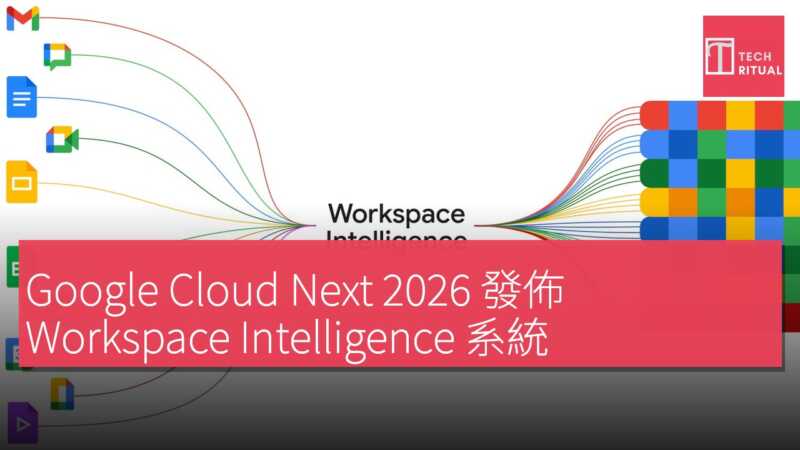
在 Google Slides,則嚴格遵守公司模板及視覺風格,一次生成整套幻燈片。在 Google Sheets,支援對話式建立及編輯試算表。Workspace Intelligence 從相關電郵、聊天、檔案及網頁資訊中提取內容,將構想轉化為專業格式草稿,模擬個人語調、品牌風格及公司模板。
Google 特別將此功能獨立命名為「Workspace Intelligence」,而非僅視為 Gemini 延伸,顯示其獨立性,但最終將在後台運作,使用者無需特別留意。
Google 同時公布第八代 Tensor Processing Units (TPU),今年重點引入「訓練及推理兩種專用架構」。
Oppo 在高速連接 (Wi-Fi 7、BT 6.0)、NFC 及防水等級上優勝,充電速度更快;Redmi 保留耳機孔、FM 及儲存擴充,更實用,且電池容量相近但續航可能因低功耗而持久。Oppo 尺寸 163.2 x 77.0 x 8.7 mm (235 g),Redmi 171.56 x 79.47 x 8.15 mm (210 g),後者更輕薄。
Have you ever read something online and felt like it just made sense right away?
That feeling is very human. Most of us make quick choices about what feels true, useful, and worth sharing, often without even noticing how fast our minds are working.
The internet gives us endless articles, posts, comments, videos, and headlines, and somehow our brains sort through all of it in seconds.
That does not happen by accident. There is real psychology behind why certain information feels trustworthy. It often comes down to familiarity, clarity, emotion, social proof, and the way our brains like to save time.
When you understand those patterns, reading online becomes more thoughtful, calm, and confident.
Why Trust Happens So Quickly
When we read online, our brains are not starting from zero every time. We are constantly using shortcuts to decide what feels reliable, friendly, and believable.
These shortcuts are not random. They help us move through daily life with less effort. Online reading works the same way.
Your Brain Loves Fast Patterns
The human brain enjoys speed. If a message feels clear and easy to follow, it often feels trustworthy too.
For example, when you see:
short paragraphs
simple wording
organized headings
a calm tone
examples that sound familiar
Your mind often responds with, “Yes, this feels right.”
That response is part of normal thinking. We often connect clarity with credibility. When something is easy to process, it feels more comfortable, and comfort can build trust.
Familiarity Feels Safe
People naturally trust ideas that feel familiar.
If you have seen a certain type of message many times, your brain becomes more open to it. This is one reason repeated ideas can feel true even before we fully study them.
Familiar wording, common phrases, and everyday examples all help create a sense of ease.
Think about how you react to a piece of writing that sounds like normal conversation. It feels warm, understandable, and closer to real life. That simple feeling can make the message more believable.
Emotion Helps Information Stick
We do not read as machines. We read as people.
That means emotions matter. A message that makes you feel calm, hopeful, seen, or understood often stays with you longer.
When a writer sounds human and relatable, trust grows more naturally.
This does not mean people ignore facts. It means facts often land better when they are shared in a way that feels personal and easy to connect with.
The Signals That Make Content Feel Trustworthy
When people trust online content, they are usually responding to a set of signals. Some of these signals are visible right away, and some work quietly in the background.
Once you notice them, it becomes much easier to understand your own reading habits.
Clear Structure Builds Confidence
A well-structured article feels easier to trust because it helps readers relax.
When content is organized, your brain does not have to work as hard to follow the message. That saved mental effort creates a smoother experience, and a smoother experience often feels more reliable.
Here are a few structure signals that help:
A clear title that matches the topic
Intro paragraphs that explain what is coming
Headings that guide the reader step by step
Short sections that stay focused
Lists that make ideas easier to scan
When writing feels organized, readers often feel that the writer has thought things through.
Simple Language Feels Honest
People connect with writing that sounds natural.
If something sounds like a real person talking clearly, it often feels more honest than writing packed with heavy terms.
Simple language does not make content less smart. It makes it more open and easier to understand.
That is why everyday English often works so well online. It lowers the distance between the writer and the reader.
Social Proof Makes A Big Difference
People often trust information more when they feel others trust it too.
This is called social proof. It shows up in many ways online, such as:
Comments from readers
High shares or savings
Repeated mentions of the same idea
People in a community agree on a point
Content that sounds widely accepted
When many people seem to support something, our brains treat that as a helpful clue.
It is a social habit. Humans naturally look to others when making sense of information, and online spaces make that process happen even faster.
Why Some Writing Feels Instantly Believable
Not all trust is built in the same way. Sometimes it grows slowly, and sometimes it appears in seconds. That quick feeling usually comes from a mix of psychology and presentation.
Understanding this helps explain why certain posts, articles, or threads feel convincing so quickly.
Confidence In Tone Matters
Writers who sound calm and sure often seem trustworthy.
A steady tone makes readers feel guided. It creates the feeling that the person writing has a clear grip on the topic. That does not mean the writing should sound formal or stiff.
In fact, a casual tone can build trust when it sounds grounded and thoughtful.
People often trust content that feels like a smart friend explaining something clearly.
Specific Details Create Stronger Belief
General statements can sound pleasant, but specific details often create stronger trust.
Compare these two styles:
Style
How It Feels
Broad and vague
Friendly but light
Clear and specific
More grounded and convincing
When readers see practical examples, simple explanations, and direct points, they feel they have something real to hold onto.
Specificity gives the brain a reason to settle in.
Consistency Helps Readers Relax
When the tone, message, and structure all fit together, trust grows more easily.
For example, if an article starts with a warm and simple voice, then continues in that same voice all the way through, readers feel steady.
That consistency matters. It helps people stay focused instead of wondering what kind of message they are receiving.
A smooth reading experience often becomes a trusting reading experience.
The Role Of Identity And Personal Beliefs
People do not read with empty minds. We all bring our own values, habits, interests, and life experiences to what we read.
That personal side of reading is a big part of online trust.
We Connect With What Feels Like Us
People are often drawn to ideas that match their own experiences or hopes.
If a message sounds like something you already believe, support grows quickly. This is part of normal human thinking. We like ideas that fit neatly into our existing view of things.
That is one reason relatable examples matter so much. When readers think, “Yes, that sounds like my life,” the content becomes easier to trust.
Community Shapes Trust
Online trust is also social.
People often read within communities, even when they do not think about it that way. A person may spend time in certain spaces, follow certain kinds of voices, and read content that reflects shared values.
Over time, these patterns shape what feels credible.
This is not about blind trust. It is about connection. When people feel part of a shared conversation, they read with more openness.
How To Read Online With More Awareness
The good news is that understanding trust psychology can make online reading feel more thoughtful and balanced. You do not need to become overly serious about every sentence. A little awareness goes a long way.
The goal is simple: stay open, stay curious, and notice what makes something feel believable.
Pause And Notice Your First Reaction
Before accepting a message right away, take a second to notice your first feeling.
Ask yourself:
Does this feel trustworthy because it is clear?
Does it sound familiar?
Am I connecting with the tone?
Do the examples feel real and useful?
This quick pause helps you understand your own reading habits.
Look At The Writing Experience
A lot of trust comes from presentation, so it helps to notice the reading experience itself.
Pay attention to:
How the article is organized
Whether the wording is simple and direct
Whether examples match the main point
Whether the tone stays steady
Whether the message feels thoughtful from start to finish
Sometimes the way something is written tells you as much as the topic itself.
Use Tools As A Support, Not A Replacement
Reading with awareness does not mean doing everything alone. Helpful tools can support your thinking, especially when you want to review tone, clarity, or writing style. For example, some people use an AI detector free tool as part of their broader reading process.
The key idea is balance. Tools can support attention, but your own judgment still matters most.
Trust Online Starts With Human Nature
At its heart, trusting what you read online is about being human.
We trust what feels clear, familiar, emotionally warm, socially supported, and easy to understand. We connect with writing that sounds real.
We remember messages that feel personal. We lean toward information that fits smoothly into our daily thinking.
That is not something to fear. It is something to understand.
Once you notice how trust works, you can read online with more confidence and more ease. You start to see why certain messages land so well, why some voices feel believable, and why presentation matters so much.
And in a space full of information, that kind of awareness is a real advantage.
Have you ever read a paragraph online and felt like the words were correct, yet something warm was missing?
A lot of people have had that feeling. The sentences may be clear, the grammar may be clean, and the structure may look polished. Still, the writing can feel a little flat instead of natural and alive.
That is why this topic matters so much right now. AI writing is becoming part of daily life for blogs, emails, product text, study help, and content drafts. As more people use it, they also want it to sound more human, more relatable, and easier to connect with.
The good news is that this can change. AI writing can become much more natural when it is shaped with clear intent, human editing, and a stronger sense of voice.
Why AI Writing Can Feel So Structured
AI writing usually starts from patterns. It learns from large amounts of language and then builds responses based on those patterns. That helps it create clean and organized text very quickly.
That same strength is also why the writing can sound a bit formal or distant. It often aims for order, balance, and readability, which is useful, but people usually connect more with writing that has small personal touches and a natural flow.
It Follows Predictable Sentence Patterns
One common reason AI writing feels robotic is that it often uses sentence shapes that feel very balanced.
For example, it may:
Repeat the same sentence length
Use similar transitions too often
Keep the rhythm very even
Choose safe and neutral phrasing
Stick closely to a familiar structure
That kind of writing is easy to follow, which is a positive thing. Still, people often speak and write with more variation, and that variation makes the message feel alive.
It Focuses On Clarity Before Personality
AI is usually trained to be useful, readable, and organized.
Because of that, it often puts clarity first. That works well for explaining facts or summarizing ideas. But human writing often includes little touches that go beyond clarity, such as humor, emotion, casual phrasing, or a personal example from daily life.
Those small touches help readers feel like a real person is speaking to them.
It Tends To Sound Even From Start To Finish
Human writing usually has movement. It speeds up, slows down, adds emphasis, and shifts tone based on the point being made.
AI writing can stay at the same level all the way through. That steady tone can be useful for structure, but readers often enjoy writing more when it has a natural rise and fall.
What Human Writing Usually Has That AI Misses
People do not connect with writing only because it is correct. They connect with it because it feels familiar and real. Human writing often includes little signals that show thought, feeling, and lived experience.
These signals are not always dramatic. In fact, they are often very simple.
Real-Life Examples Make A Big Difference
One thing human writers do well is connect ideas to normal life.
Instead of only saying a message is clear, a person might say, “It feels like getting directions from a friend instead of reading a manual.” That image makes the point easier to feel.
Readers enjoy examples like that because they turn abstract ideas into something practical and relatable.
Human Voice Has Natural Imperfection And Warmth
Human writing often sounds more comfortable because it is not trying to be perfectly balanced in every sentence.
It may include:
Short thoughts next to longer ones
A casual phrase that sounds natural
A question that pulls the reader in
A personal observation
A little shift in rhythm that feels real
These qualities help the writing breathe.
Emotion And Intent Come Through More Clearly
When a person writes with real purpose, readers can often feel it.
That does not mean every sentence has to be emotional. It just means the writing carries intent. It feels like someone is trying to help, explain, share, or connect.
That sense of purpose is a big part of what makes human writing memorable.
How AI Writing Can Feel More Human
This is where things get interesting. AI writing does not have to stay flat or overly polished. It can become much more natural when people guide it in the right way.
The goal is not to remove structure. The goal is to add warmth, rhythm, and personality to that structure.
Start With A Clear Human Point Of View
The strongest writing usually begins with a real point to make.
Before editing an AI draft, it helps to ask:
What do I actually want the reader to feel or understand?
How would I explain this in a normal conversation?
What example from daily life fits here?
What tone feels right for this topic?
These questions bring the writing closer to a real voice.
Add Rhythm And Variety
One easy way to improve AI writing is to vary the flow.
A more human-sounding piece often includes:
Short sentences for emphasis
Longer sentences when expanding a thought
Questions that sound natural
Occasional informal phrasing
Smooth shifts between ideas
Some writers use tools or editing methods built to humanize ai output by focusing on tone, sentence flow, and word choice. Even then, the best results usually come when a person reviews the draft with care.
Use Specific Details Instead Of General Language
Specific details help writing feel more grounded.
Here is a simple comparison:
General Wording
More Human Wording
People enjoy clear writing
People enjoy writing that feels like a real person is talking to them
Good structure helps readers
Clear headings and short paragraphs help readers stay on point
Examples are useful
A simple daily-life example can make an idea click right away
The second style feels more natural because it paints a clearer picture.
Practical Ways To Improve AI Writing Every Time
AI writing improves a lot when there is a strong editing step after the first draft. That editing does not need to be complicated. It just needs to be intentional.
Small changes can shift a piece from polished but distant to clear and human.
Read It Out Loud
Reading a draft out loud is one of the simplest ways to improve it.
When you hear the words, you can notice:
Repeated phrasing
Sentences that feel too stiff
Parts that sound too formal
Spots where a personal example would help
Areas that need more warmth
If a sentence sounds like something you would never say in real life, it probably needs a small rewrite.
Edit For Connection, Not Just Grammar
Grammar matters, of course. But connection matters too.
A useful editing process can look like this:
Check the main point
Remove repeated ideas
Add one or two relatable examples
Change stiff wording into natural phrasing
Make sure the tone sounds like a real person
This helps the writing feel less like output and more like communication.
Keep The Reader In Mind
The most human writing always feels aware of the reader.
It respects the reader’s time, answers real questions, and sounds like it was written for someone, not just produced on command. That small shift in mindset changes a lot.
Conclusion
AI writing often feels robotic because it naturally leans toward structure, balance, and predictable phrasing. Those qualities are useful, but readers usually connect more with writing that has rhythm, warmth, and a clear human point of view.
The encouraging part is that this can absolutely change. With better prompting, stronger editing, more specific details, and a real sense of audience, AI writing can become much more natural and relatable.
ASUS Pad 採用四邊等寬邊框設計,金屬機身帶來優異強度,背部平整,左上角(豎屏狀態)設有相機模組,包含單鏡頭及 LED 補光燈,模組略微凸起。機身厚度僅 6.5mm,重 523g,對 12.2 英寸平板而言相當輕薄。電池容量達 9000mAh,支持快充,具體功率待確認。
配件方面,華碩將提供至少一款官方保護套,採用透明塑膠材質,背部附多功能摺紙式支架,可依不同使用場景調整支撐角度,收納時可覆蓋屏幕起到保護作用。
目前 ASUS Pad 的實體發佈時間及售價尚未公布。
回顧華碩平板歷史,自 2019 年終止 ZenPad 系列產品線後,官方將重心置於手機領域。若本次爆料屬實,等於時隔約 7 年,華碩在平板業務告一段落之後,反身再度回歸平板產品線。